
Newzeland Finance
Your Trusted Guide to Money Matters in NZ

Welcome to Newzeland Finance, your trusted destination for making smarter financial decisions in New Zealand. Whether you’re exploring personal loans, comparing insurance brokers, or planning your long-term financial goals, this platform has been designed to simplify your journey. Our mission is to help Kiwis make confident choices about money — with expert tools, resources, and recommendations all in one place.
Finance Calculator
Establishment fee $215
Monthly service fee $2.50
Fixed rate 9.49%
Total to repay $0.00
Disclaimer: Results are a guide only and not an offer of finance. Calculations include establishment and service fees and are based on fixed interest for the chosen term.
Highest Rated Brokers
In a rapidly evolving financial environment, understanding your options has never been more important. From buying your first home to securing the right insurance coverage, or optimizing your retirement plan — we break it down and present New Zealand’s highest rated brokers for any financial needs!

Whether it’s for a new car, a dream holiday, or everyday purchases, Finance Now makes borrowing simple for Kiwis. Enjoy quick approvals, flexible repayment terms, and trusted service backed by over 20 years of experience in New Zealand. Apply online and get the support you need – when you need it.

Need a quick loan? Instant Finance offers fast, friendly service for Kiwis needing cash for cars, bills, or emergencies. With branches across NZ and flexible repayment options, Instant Finance makes borrowing simple and stress-free. Apply online or in-store and get approved in no time.

Enjoy interest-free shopping across Farmers stores nationwide with Farmers Finance. Whether you’re upgrading your wardrobe, homeware, or tech, Farmers Finance gives you the freedom to buy now and spread the cost over time. Easy application, secure payments, and flexible repayment terms – all designed for Kiwi shoppers.
Example New Zealand Home Loan Interest Rate Trend
Illustrative data only – not actual bank rates.
Why Newzeland Finance?
We created Newzeland Finance with one goal: to demystify financial services for everyday New Zealanders. With so many institutions, lenders, and advisors in the market, it’s hard to know who to trust or where to begin. That’s why our platform cuts through the noise — helping you compare, plan, and act with confidence.
Discover Latest NZ Finance Job here:
Latest New Zealand Finance Jobs
Browse a curated feed of recent finance roles in New Zealand. Use the filters to narrow down by city/region and work style, then click through to apply on LinkedIn.
We cover the full spectrum of financial topics relevant to individuals and families in Aotearoa, including:
Example Weekly Repayments by Loan Size
Based on sample 7% p.a. rate over 5 years – for illustration only.
Home Loans and Mortgages
Buying a home is one of the biggest financial decisions you’ll ever make. In New Zealand’s competitive property market, getting the right home loan — with the best interest rate and repayment structure — can save you tens of thousands of dollars over time.
🔗 Try our Home Loan Calculator to estimate your mortgage repayments and compare options.
Whether you’re a first-home buyer in Auckland or an investor in Christchurch, we help you understand:
- Fixed vs variable interest rates
- How much deposit you really need
- Bank vs non-bank lenders
- Refinance options
- How KiwiSaver can support your home ownership goals
We break it all down in plain language so you can move forward with confidence.
Read more about our financial news
- Compare Power Companies NZ – 2025 Guide to Electricity Prices, Plans, Providers & How to Get the Best Deal
 Introduction Comparing power companies in New Zealand has become one of the most impactful financial decisions Kiwi households can make, especially as electricity… Read more: Compare Power Companies NZ – 2025 Guide to Electricity Prices, Plans, Providers & How to Get the Best Deal
 - Car Insurance NZ – 2025 Guide to Cover Types, Costs, Excess & Choosing the Best Policy
 Introduction Car insurance in New Zealand plays a far more essential role than most drivers fully appreciate. While many Kiwis only think about… Read more: Car Insurance NZ – 2025 Guide to Cover Types, Costs, Excess & Choosing the Best Policy
 - PAYE Calculator NZ – 2025 Guide to Income Tax, Deductions & Take-Home Pay
 Introduction Understanding PAYE tax is one of the most important parts of managing your income in New Zealand. Whether you’re a full-time employee,… Read more: PAYE Calculator NZ – 2025 Guide to Income Tax, Deductions & Take-Home Pay
 - Credit Cards NZ – 2025 Guide to Rewards, Interest Rates, Balance Transfers & Choosing the Best Card
 Introduction Credit cards have become one of the most widely used financial tools across New Zealand, offering convenience, rewards, and short-term borrowing power… Read more: Credit Cards NZ – 2025 Guide to Rewards, Interest Rates, Balance Transfers & Choosing the Best Card
 - NZ School Holidays 2024 – Term Dates, Public Holidays, Calendar & Family Planning Guide
 Introduction School holidays in New Zealand play a central role in planning family life, budgeting, and work schedules, especially for households juggling multiple… Read more: NZ School Holidays 2024 – Term Dates, Public Holidays, Calendar & Family Planning Guide
 - Life Insurance NZ – Complete 2025 Guide to Policies, Prices, and Choosing the Right Cover
 Introduction to Life Insurance in NZ Life insurance in New Zealand is one of those topics people often push to the bottom of… Read more: Life Insurance NZ – Complete 2025 Guide to Policies, Prices, and Choosing the Right Cover
 - Term Deposit Rates NZ – Compare Returns, Banks & Best Rates (2025 Guide)
 Introduction Term deposits continue to be one of the most popular low-risk investment options for everyday New Zealanders, especially during periods of economic… Read more: Term Deposit Rates NZ – Compare Returns, Banks & Best Rates (2025 Guide)
 - GST Calculator NZ – Complete Guide to Goods & Services Tax (2025 Full Breakdown)
 Introduction to GST Calculators Goods and Services Tax (GST) is one of the most widely misunderstood parts of day-to-day money management in New… Read more: GST Calculator NZ – Complete Guide to Goods & Services Tax (2025 Full Breakdown)
 - Saving Money Tips NZ: Practical Ways to Cut Costs, Build Savings, and Improve Your Finances
 Saving money tips nz Saving money in New Zealand has become an essential part of financial wellbeing, especially as households navigate rising living… Read more: Saving Money Tips NZ: Practical Ways to Cut Costs, Build Savings, and Improve Your Finances
 - Westpac NZ: Complete Guide to Banking, Loans, Interest Rates & Services in New Zealand
 Westpac NZ remains one of New Zealand’s major banking institutions, serving over one million customers and playing a central role in home lending,… Read more: Westpac NZ: Complete Guide to Banking, Loans, Interest Rates & Services in New Zealand
 - XRP Price NZD – Complete Guide for New Zealand (2025)
 Understanding the XRP price in NZD has become increasingly important for everyday Kiwi investors exploring digital assets. New Zealand’s crypto landscape has matured… Read more: XRP Price NZD – Complete Guide for New Zealand (2025)
 - Bitcoin Price NZD: A Complete New Zealand Investor’s Guide
 Understanding the Bitcoin price in NZD has become a practical necessity for everyday Kiwi investors, crypto-curious savers, and people looking to diversify beyond… Read more: Bitcoin Price NZD: A Complete New Zealand Investor’s Guide
 - ANZ mortgage rates – what New Zealand home-buyers need to know in 2025
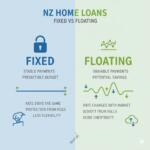 Introduction to ANZ Mortgage rates If you’re considering a home loan in New Zealand, then ANZ Bank New Zealand (ANZ) is likely on… Read more: ANZ mortgage rates – what New Zealand home-buyers need to know in 2025
 - GBP to NZD — What Every New Zealander Should Know
 Introduction If you’re dealing with British pounds (GBP) and need to convert to New Zealand dollars (NZD) — whether you’re sending money to… Read more: GBP to NZD — What Every New Zealander Should Know
 - Yen to NZD: How Currency Exchange Impacts Your NZ Mortgage, Savings & Refinance Decisions
 What “Yen to NZD” Means — And Why It Matters Understanding the yen to NZD exchange rate is more important than most people… Read more: Yen to NZD: How Currency Exchange Impacts Your NZ Mortgage, Savings & Refinance Decisions
 - NZD to PHP: What You Need to Know — Converting New Zealand Dollars to Philippine Pesos
 If you’re dealing with cross-border finances between New Zealand and the Philippines, understanding the exchange rate between New Zealand Dollar (NZD) and Philippine… Read more: NZD to PHP: What You Need to Know — Converting New Zealand Dollars to Philippine Pesos
 - Interest Rates NZ
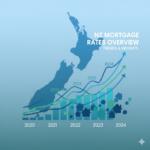 Interest rates in New Zealand influence everything from home loans and business borrowing to savings returns and national economic performance. Understanding how the… Read more: Interest Rates NZ
 - Mortgage Quote: Your Essential Guide to Securing Home Loan Finance in New Zealand
 Securing a mortgage quote is the critical first step on the journey to home ownership in New Zealand (NZ). Far more than just… Read more: Mortgage Quote: Your Essential Guide to Securing Home Loan Finance in New Zealand
 - Mortgage Calculator NZ – Comprehensive Guide
 Mortgage Calculator NZ – Comprehensive Guide NZ Mortgage Calculator Loan Amount ($) Interest Rate (% per year) Loan Term (years) Calculate Mortgage Calculator… Read more: Mortgage Calculator NZ – Comprehensive Guide
 - Payday Loans NZ: The Complete 2025 Guide to Fast Cash, Instant Approval & Emergency Loans in New Zealand
 When unexpected expenses hit — car repairs, medical bills, urgent travel, power disconnections, or a temporary shortfall between pay cycles — many New… Read more: Payday Loans NZ: The Complete 2025 Guide to Fast Cash, Instant Approval & Emergency Loans in New Zealand
 - Funeral Cover NZ: Funeral Insurance & End-of-Life Costs in New Zealand
 Planning for the end of life is never easy, but it’s one of the most responsible financial decisions a person can make. Funeral… Read more: Funeral Cover NZ: Funeral Insurance & End-of-Life Costs in New Zealand
 - Credit Score NZ
 What Is a Credit Score in New Zealand? In New Zealand, your credit score is a numerical representation of your financial behaviour and… Read more: Credit Score NZ
 - Mortgage holiday nz: Eligibility, Apply & Financial Impact
 A mortgage holiday is a temporary agreement you make with your bank to pause your home loan repayments. In New Zealand, these are… Read more: Mortgage holiday nz: Eligibility, Apply & Financial Impact
 - Refinance home loan nz: Save More with a Smart Guide
 At its heart, refinancing your home loan in NZ is simply replacing your current mortgage with a new one. It’s a strategic financial… Read more: Refinance home loan nz: Save More with a Smart Guide


Personal Loans for Every Need
Need to cover an unexpected expense, pay off high-interest debt, or fund a major purchase like a car or renovation? Personal loans in New Zealand are accessible — but choosing the right lender makes all the difference.
🔗 Explore our Personal Loan Guide for comparisons, tips, and loan calculators.
In our personal loan section, we cover:
- How to qualify for a loan in NZ
- Typical interest rates in 2025
- How to boost your credit score
- Unsecured vs secured loans
- Hidden fees to watch out for
We compare top lenders like Instant Finance, Finance Now, Harmoney, and more — ensuring you find the best deal for your needs and budget.
Insurance: Protect What Matters
Kiwis are increasingly aware of the need to protect what matters — from homes and vehicles to health and life. But navigating the world of insurance in New Zealand can feel like a maze.
🔗 Visit our Insurance Brokers page to find a vetted broker who works for you — not the insurer.
Our insurance section helps you:
- Understand different types of cover (life, car, contents, health)
- Compare premiums and exclusions
- Choose between direct insurers and brokers
- Navigate claims and disputes
- Save by bundling or reviewing policies annually
Working with an experienced broker can often uncover deals you won’t find on comparison sites — and they can guide you through the fine print.
Financial Planning Made Easy
Whether you’re planning for retirement, growing your wealth, or just trying to get out of debt — a financial planner can help create a roadmap tailored to you. But not all planners are created equal.
🔗 Check out our Finance Planner section to see how professional advice can support your financial goals.
Our financial planning content covers:
- How to set realistic financial goals
- Budgeting tools for daily management
- Saving for retirement and KiwiSaver strategies
- Investment basics (ETFs, property, shares)
- Tax minimization and estate planning
We believe financial freedom starts with a clear plan — and the right advice makes that path easier to walk.
Featured Tools and Resources
At Newzeland Finance, we provide smart, user-friendly tools to help you take control of your money:
- ✅ Home Loan Calculator – Calculate your mortgage repayments quickly
- ✅ Loan Comparison Charts – See side-by-side rates from leading NZ lenders
- ✅ Budget Planner Templates – Track your income and spending
- ✅ Insurance Checklist – Know what you’re covered for — and what you’re not
- ✅ Finance Glossary – Understand confusing financial terms instantly
All tools are free to use, mobile-friendly, and updated regularly for accuracy.
Navigating the NZ Financial Landscape in 2025
The world of finance is always evolving. In New Zealand, interest rates, lending regulations, and insurance standards continue to shift. We keep a close eye on changes from the Reserve Bank, government policies, and consumer protection agencies — so you stay informed.
Some key trends in 2025:
- Interest rates have stabilized after rapid hikes in 2022–2023, offering better lending conditions
- BNPL (Buy Now, Pay Later) services are more regulated, requiring better consumer education
- Online-only banks and digital lenders are rising in popularity — but also come with risks
- Climate change is influencing home insurance premiums and coverage availability
- KiwiSaver engagement is growing, but many still lack a long-term investment strategy
We help you adapt, plan, and make informed decisions in this shifting environment.
Example Breakdown of Finance Topics on Our Site
Illustrative mix of content areas you cover.
Our Commitment to Kiwi Financial Wellbeing
We’re not here to sell you anything — we’re here to empower you. We believe every New Zealander deserves financial clarity, regardless of income, background, or experience.
Here’s what sets us apart:
- Free, unbiased information
- Trusted financial education
- Practical tools you can use today
- Up-to-date NZ-specific content
- Links to verified service providers only
We’re your partner in navigating life’s big (and small) money questions.
Example NZD vs USD Exchange Rate
Illustrative only – not real historical data.
Let’s Make Money Simple
Managing your finances shouldn’t be stressful. With Newzeland Finance, it doesn’t have to be.
Our team is constantly expanding our library of tools, insights, and reviews to reflect what matters most to you. Whether you’re starting your financial journey or optimizing your existing assets, we’re here to help — clearly, simply, and independently.
Ready to Get Started?
Explore our key pillars:
- 🏡 Home Loan Calculator NZ
- 💳 Personal Loans in New Zealand
- 🛡️ Top Insurance Brokers
- 📈 Find a Financial Planner
Still have questions? Reach out to us or check our upcoming articles, where we’ll cover more niche topics like debt consolidation, business finance in NZ, and tax tips for freelancers
FAQs
Personal finance (individual budgeting and saving)
Corporate finance (how businesses manage their finances)
Public finance (government spending and taxation)
Corporate finance
Investments
Financial institutions and markets
Personal finance
Character (trustworthiness)
Capacity (ability to repay)
Capital (assets and savings)
Collateral (security offered for loans)
Banking
Insurance
Investments
Real estate
Character
Capacity
Capital
Collateral
Conditions (economic factors affecting repayment)
50% of income goes to needs,
30% to wants,
20% to savings or debt repayment.
$2,000 goes to essentials,
$1,200 to lifestyle choices,
$800 to savings or debt payoff.
70% expenses,
10% saving,
10% investing,
10% giving or personal development.